- Industry
- Blockchain, Crypto
- Role
- Product Designer
- Year
- 2022
- Industry
- Blockchain, Crypto
- Role
- Product Designer
- Year
- 2022
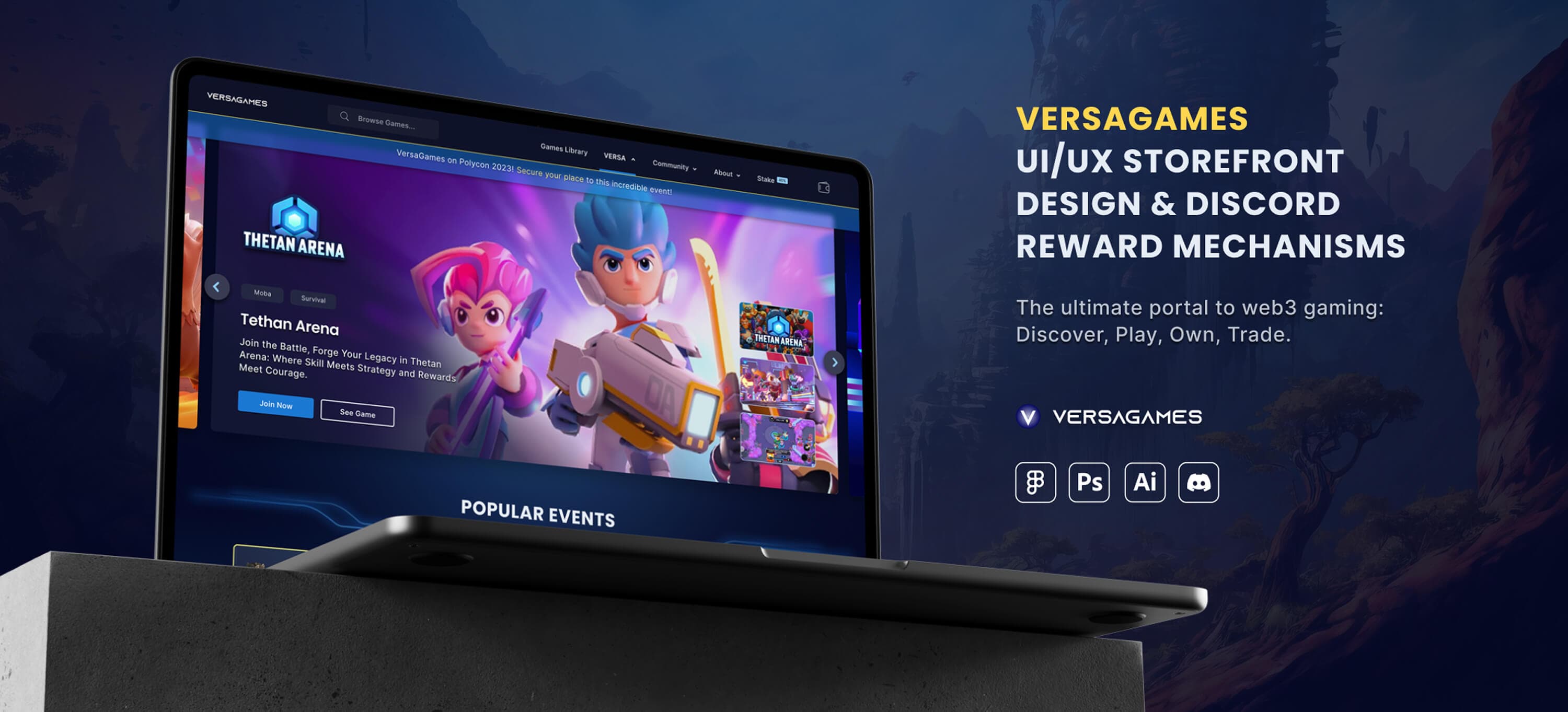
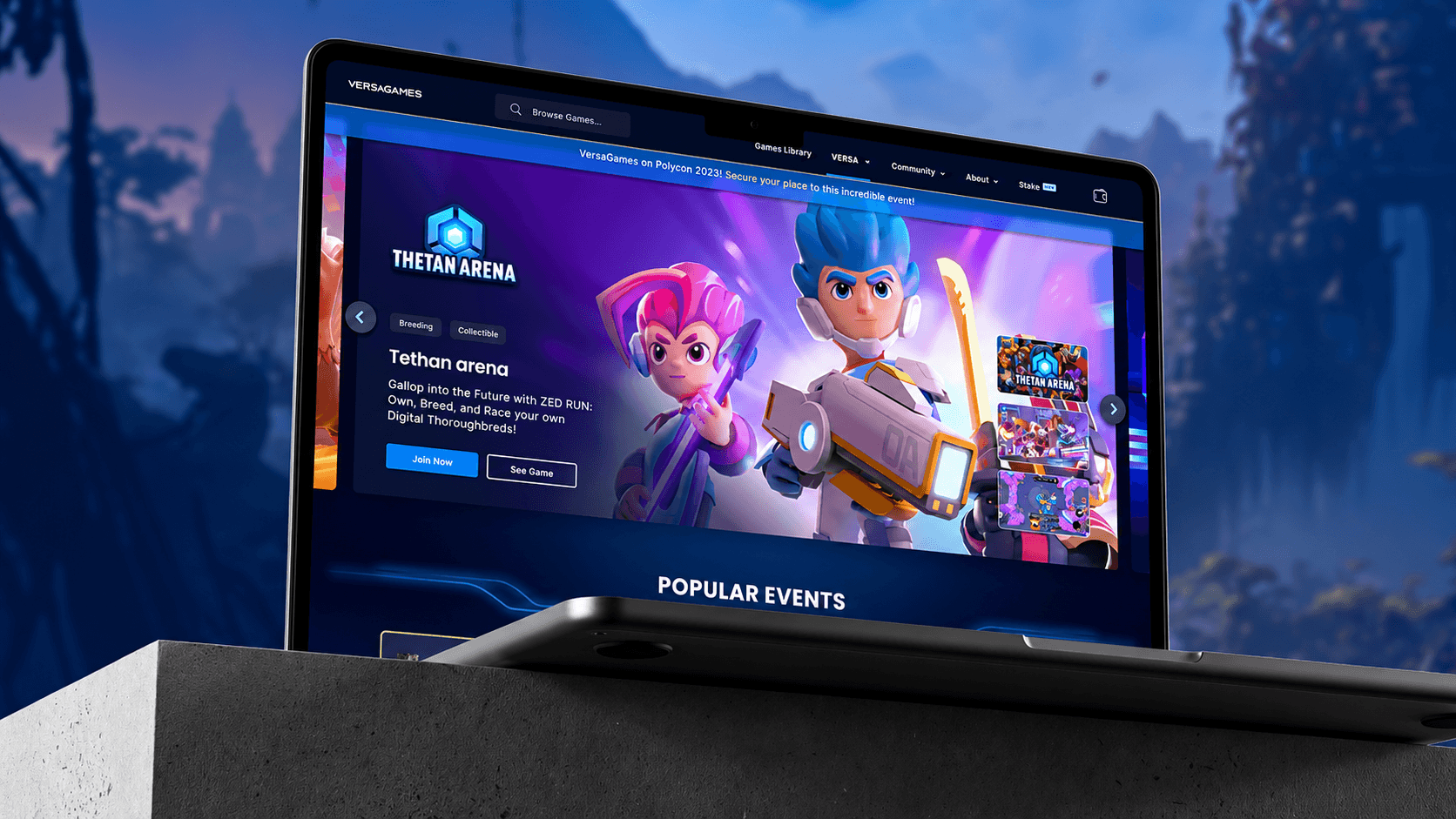
VersaGames is a Web3 gaming platform where players and investors discover games, and stake and trade their assets. I joined as the only designer when the project was still a pitch deck, and took it through brand identity, design system and MVP to a launch that exceeded its $2M funding target by 390% within 24 hours.
The project started as a PDF pitch deck. Before designing any screen, it needed an identity that a new audience could recognize and trust.
The starting point
VersaGames had a vision and a launch to prepare, but no brand, no product and no interface. As the only designer on the team, I was responsible for every visual decision, from the identity to the marketing material.
Brand and launch assets
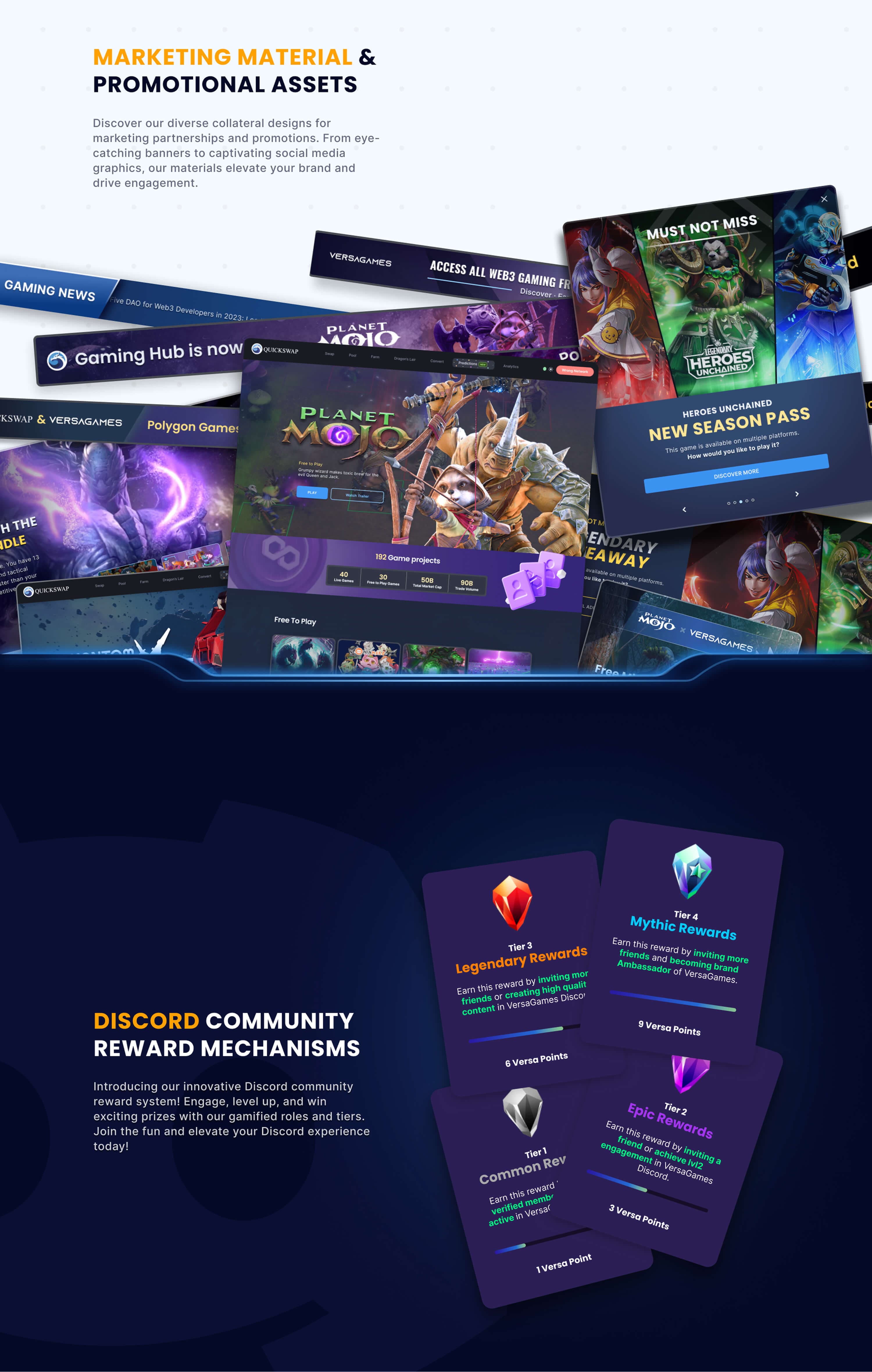
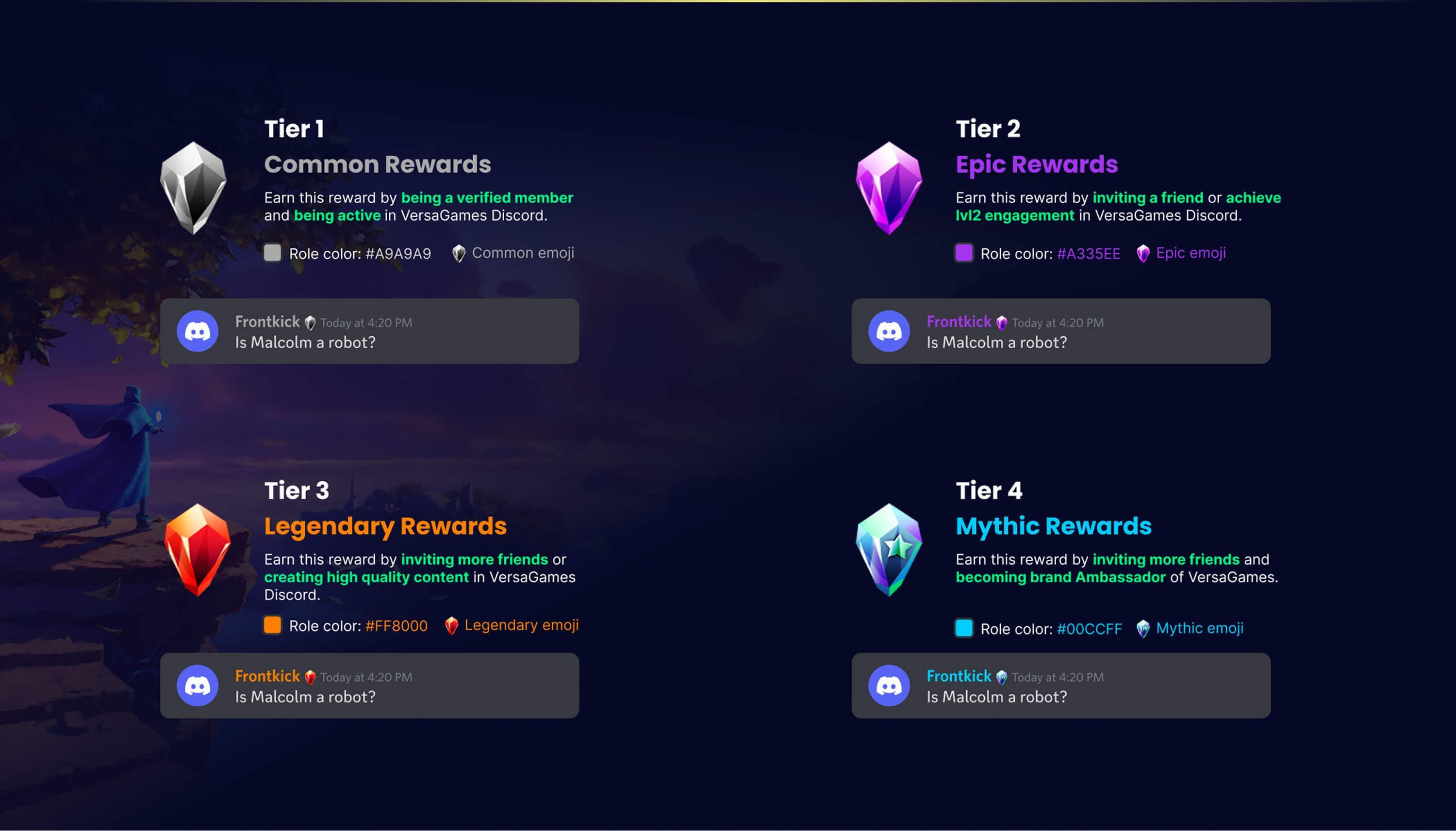
I translated the pitch deck into a brand identity, then extended it to marketing material and a media kit, so the project could present itself consistently to partners, investors and its community well before the product existed.
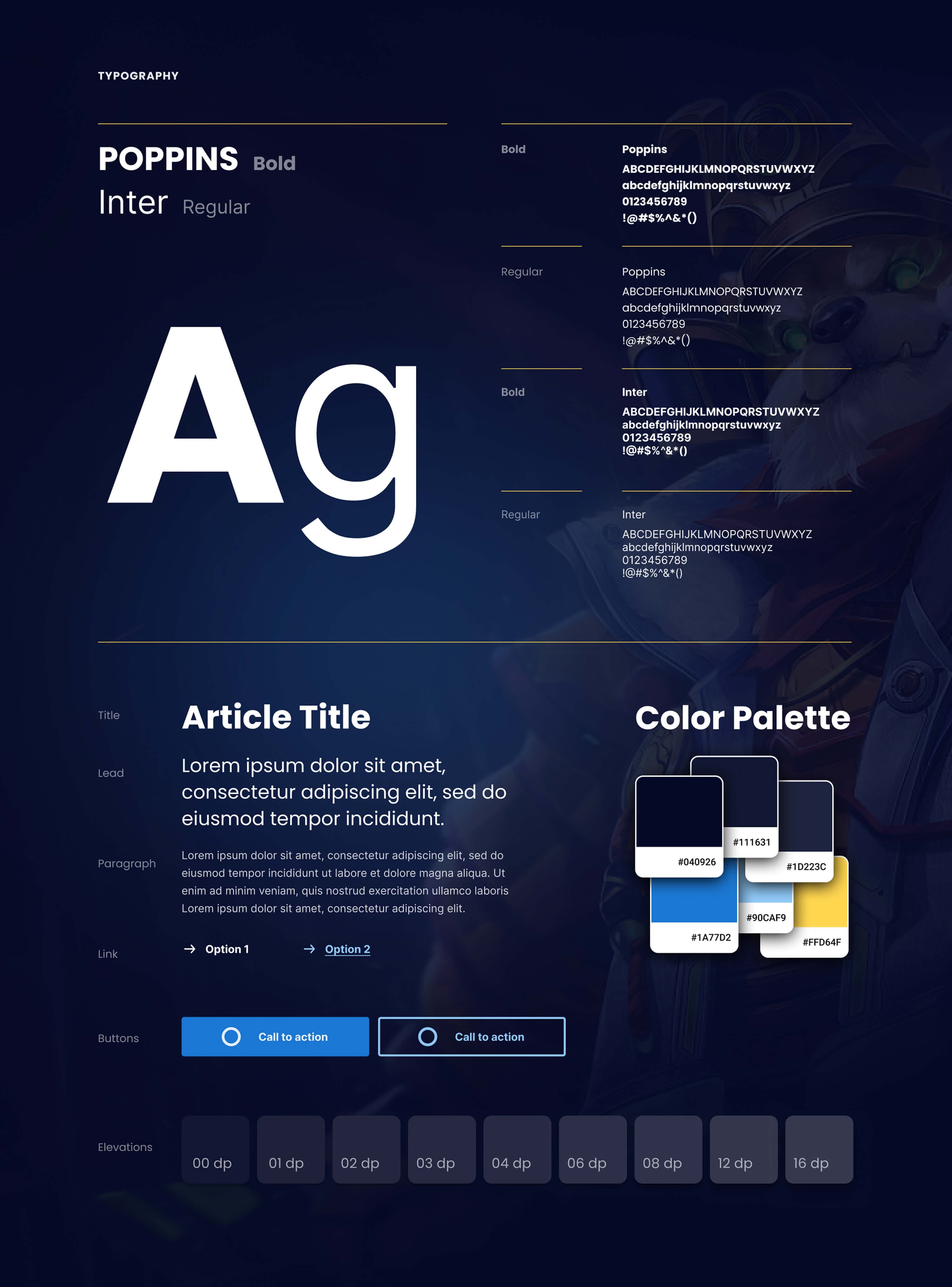
I built the design system before the screens, structured around a roadmap that would keep growing after launch.
A scalable system
Typography, color, elevation and core components were defined first and organized around the product roadmap, so new features could be added after launch without redesigning what was already live.
Building with engineering
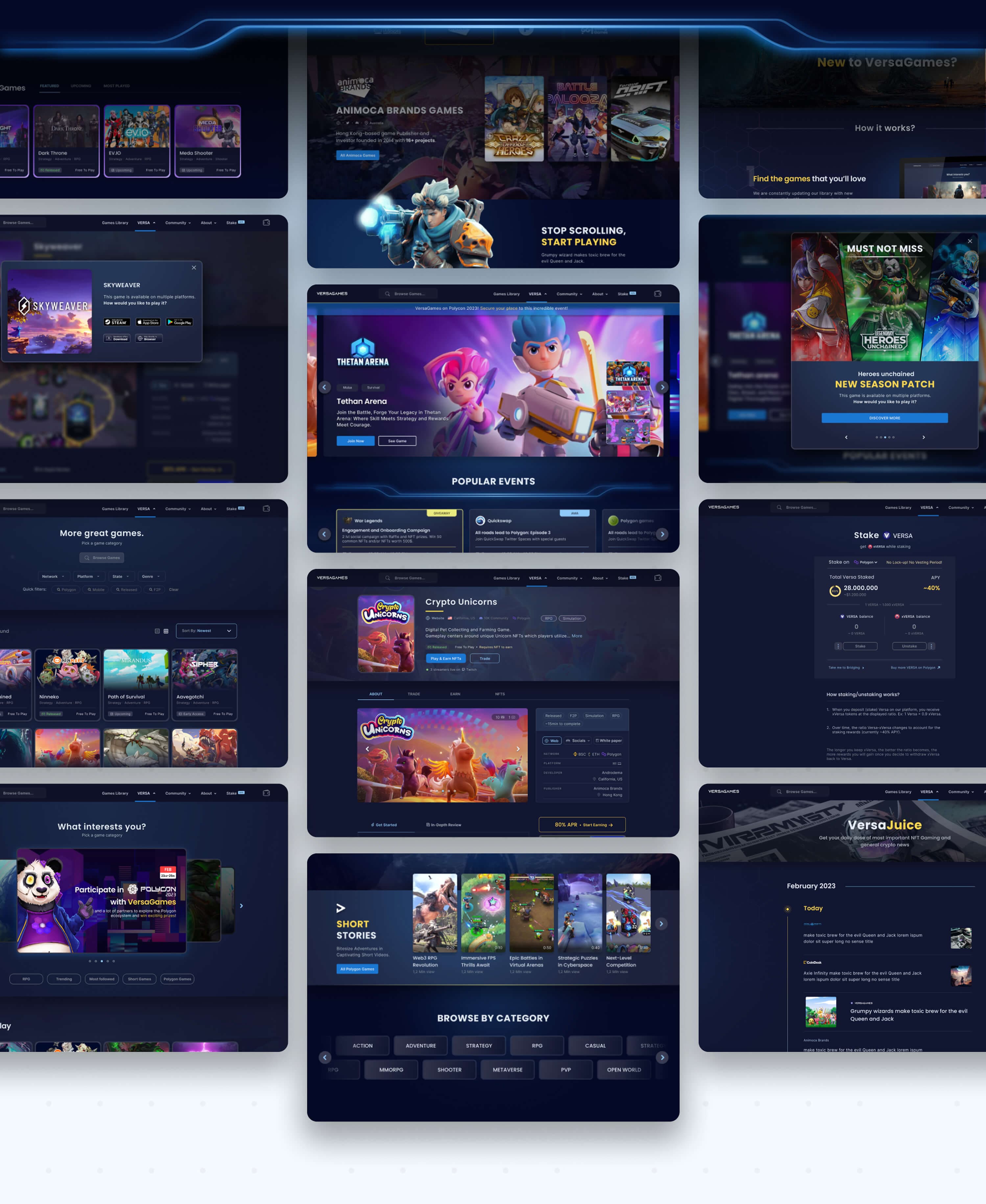
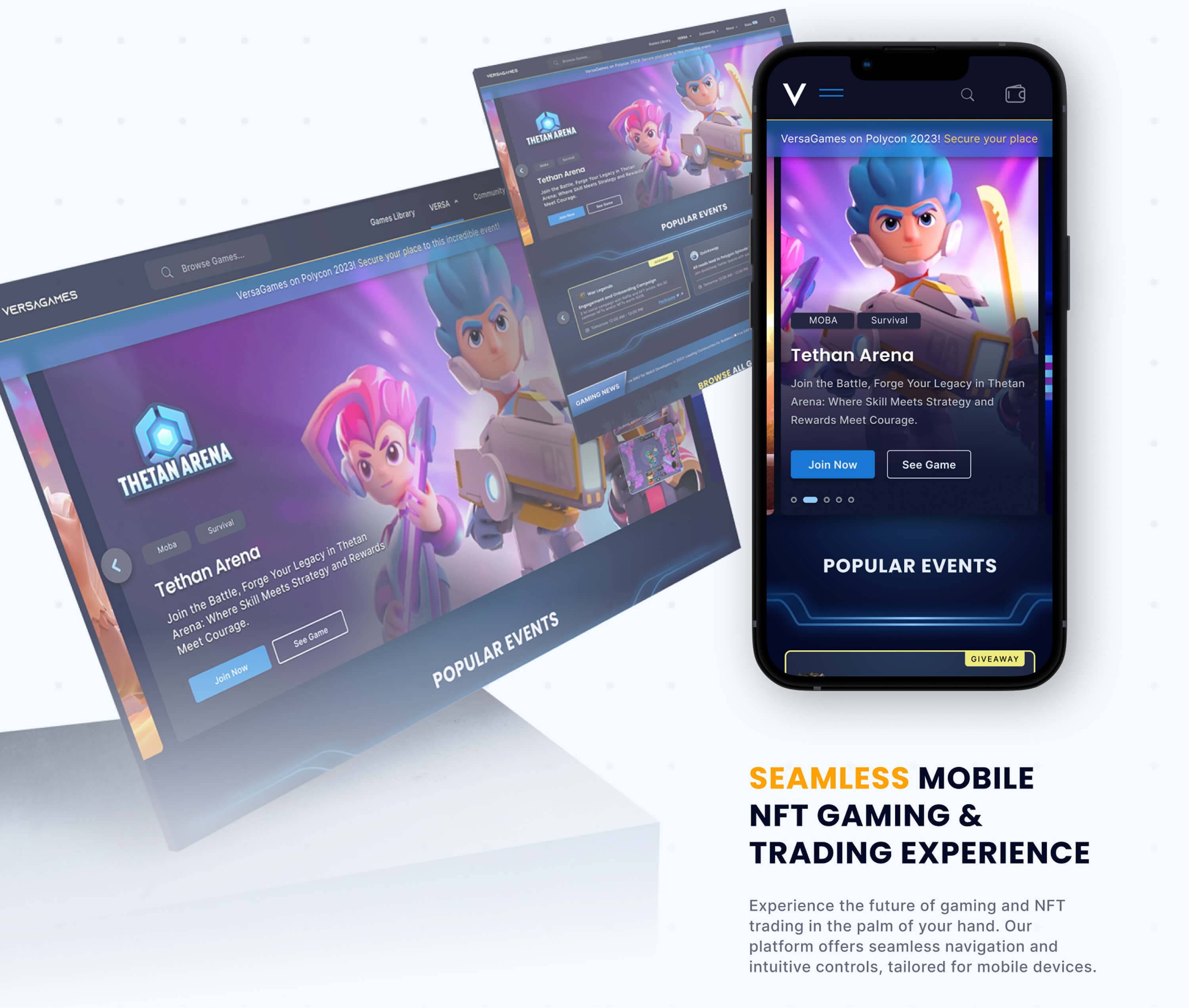
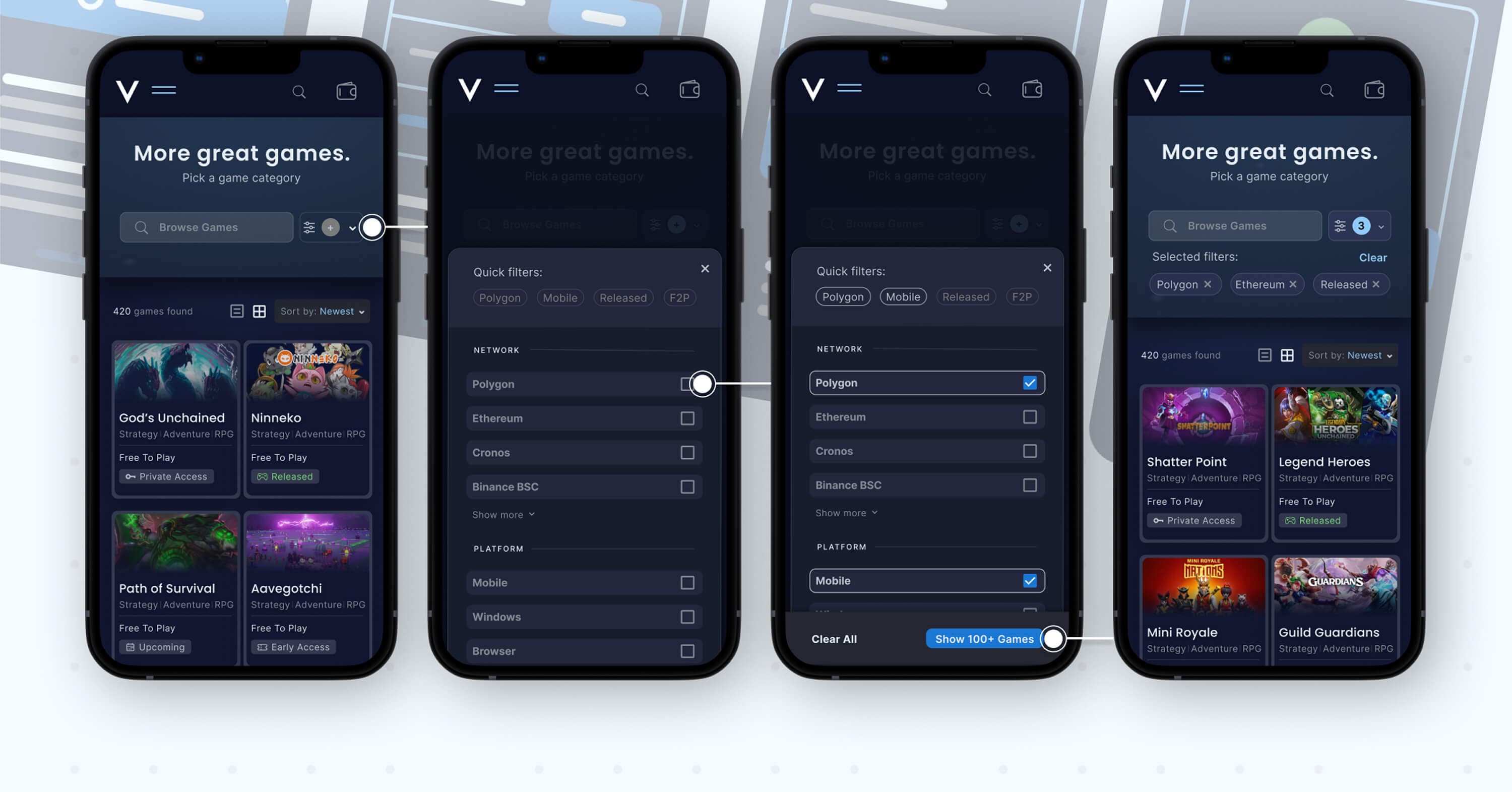
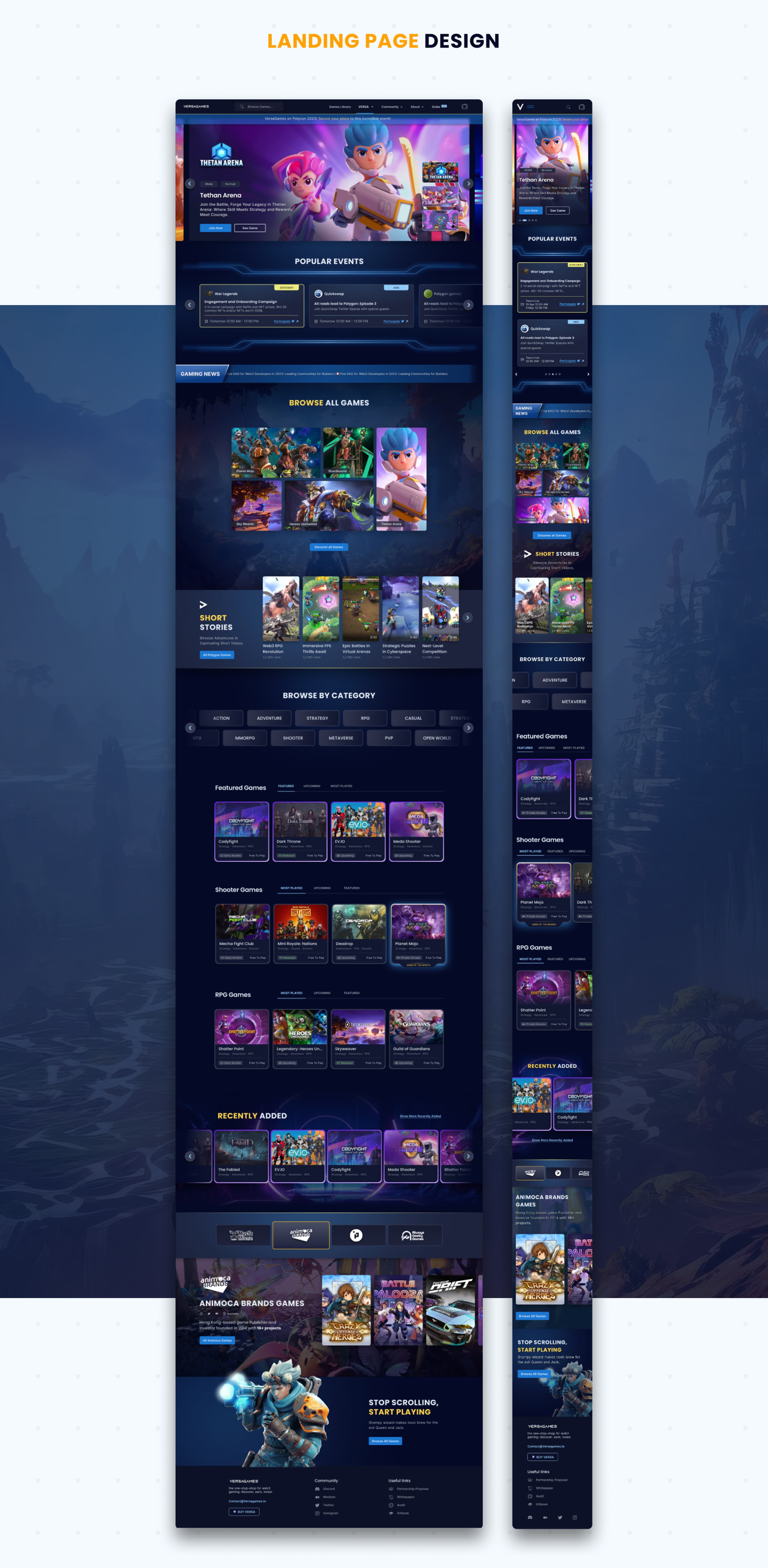
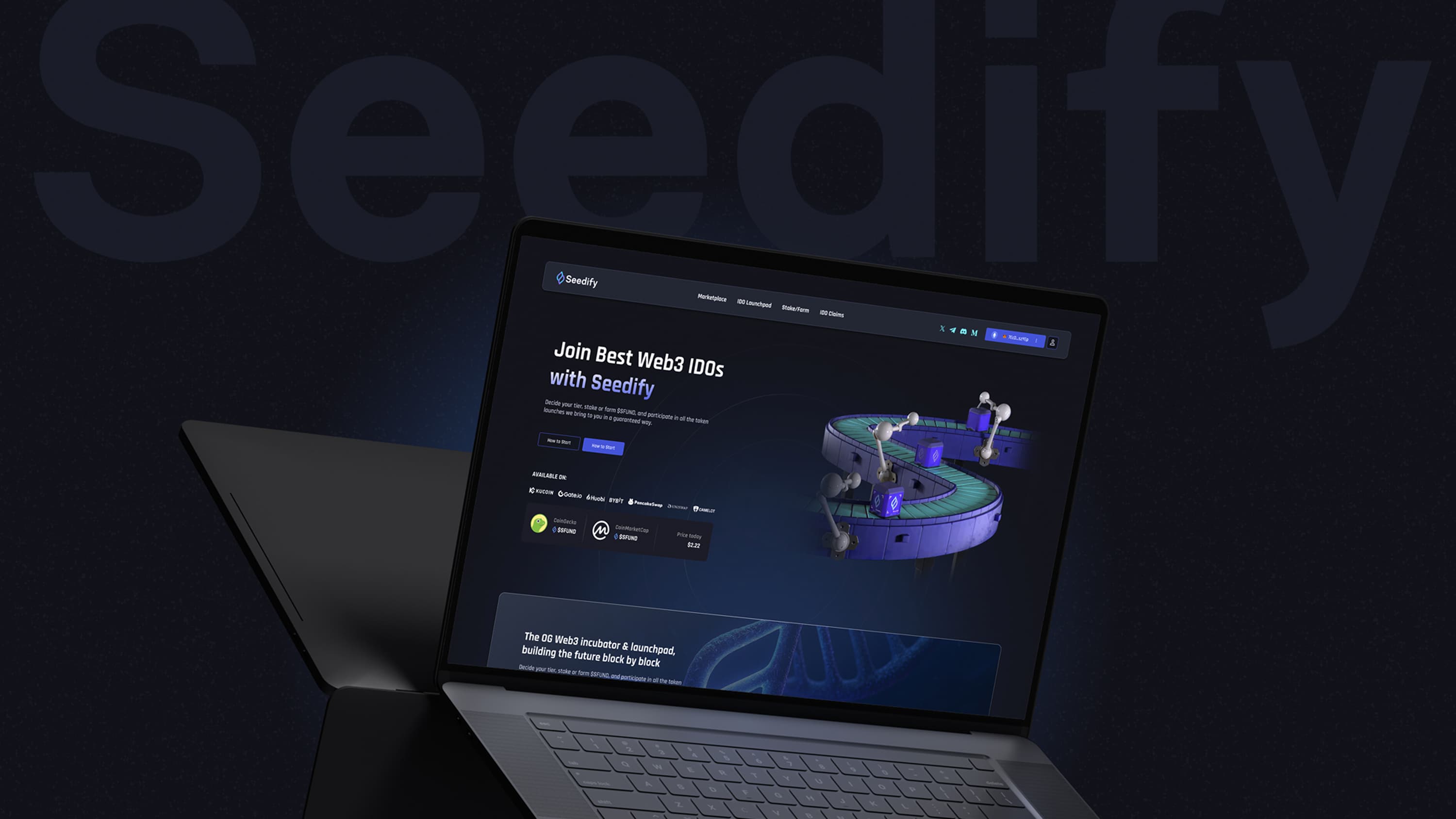
From user flows and wireframes I moved to developer-ready high-fidelity designs for the storefront and its staking flow, on desktop and mobile. My HTML and CSS knowledge kept the designs feasible, and I worked side by side with the developers through the build and for the two years that followed.
VersaGames launched through an Initial Game Offering with a $2M target, exceeded by 390% within 24 hours.
The launch
The brand, the media kit and the MVP were the community's first touchpoints during the IGO, and the funding goal was passed within the first day.
After launch
Once the product was live, I monitored how people used it and combined user feedback with the evolution already planned in the design system. Staking was the first area we reworked.
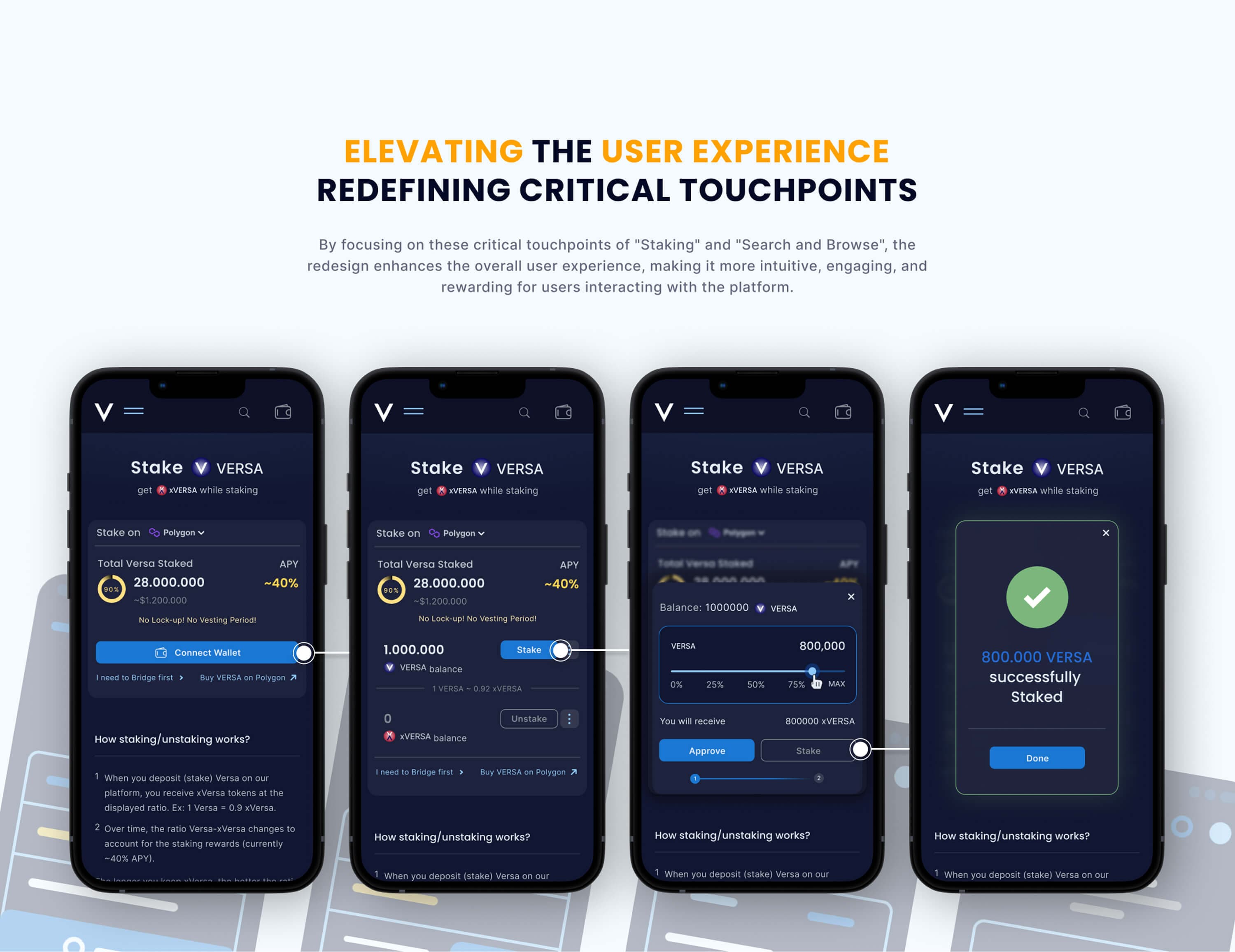
The staking module was redesigned from scratch, and data decided which version shipped.
The test
The goal was a staking experience that felt more intuitive and more rewarding. Because the new design departed from what competitors were doing, I designed two versions and validated them through an A/B test before consolidating one.
Data-driven refinements
Analytics, together with qualitative and quantitative research, then pointed to the amount input. A slider with preset percentages performed best: users can type a value or drag, and five quick-select checkpoints (0%, 25%, 50%, 75% and max) were designed for a user base that was mostly on mobile.